Evolution of the Universe
The universe is 13.8 billion years old, scientists confirm
STORY HIGHLIGHTS
- Obtaining the best image of the infant universe helps scientists better understand the origins of the universe.
- Scientists estimate the age of the universe by measuring its oldest light.
- The new research adds a fresh twist to an ongoing debate in the astrophysics community. The universe is about 13.8 billion years old, according to new research recently published by an international team of astrophysicists.
While this estimate of the age of the universe had been known before, in recent years, other scientific measurements had suggested instead that the universe may be hundreds of millions of years younger than this.
The scientists studied an image of the oldest light in the universe to confirm its age of 13.8 billion years.
This light, the "afterglow" of the Big Bang, is known as the cosmic microwave background and marks a time 380,000 years after the universe’s birth when protons and electrons joined to form the first atoms.
This light, the "afterglow" of the Big Bang, is known as the cosmic microwave background and marks a time 380,000 years after the universe’s birth when protons and electrons joined to form the first atoms.


Universe is 13.8 billion years old, scientists confirm


STORY HIGHLIGHTS
- Obtaining the best image of the infant universe helps scientists better understand the origins of the universe.
- Scientists estimate the age of the universe by measuring its oldest light.
- The new research adds a fresh twist to an ongoing debate in the astrophysics community.
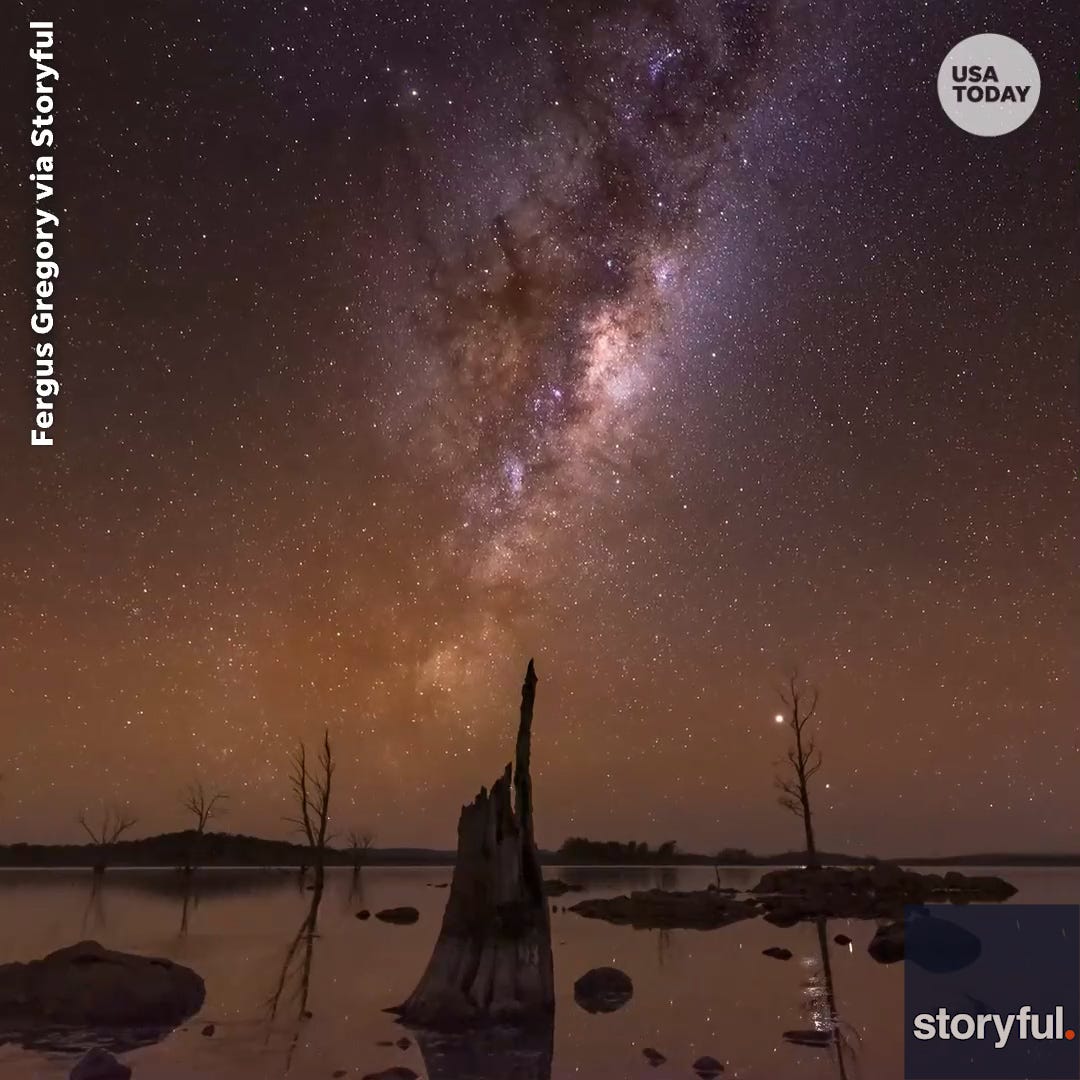
A time-lapse recording captured the Milky Way spinning over a Tasmanian lake, which reflected the shining stars in its still waters.
USA TODAY, STORYFUL
The universe is about 13.8 billion years old, according to new research recently published by an international team of astrophysicists.
The scientists studied an image of the oldest light in the universe to confirm its age of 13.8 billion years.
This light, the "afterglow" of the Big Bang, is known as the cosmic microwave background and marks a time 380,000 years after the universe’s birth when protons and electrons joined to form the first atoms.

Alien civilization: Scientists are searching the universe for signs of alien civilizations: 'Now we know where to look'Obtaining the best image of the infant universe helps scientists better understand the origins of the universe, how we got to where we are on Earth, where we are going, how the universe may end and when that ending may occur, according to a statement from Stony Brook University.
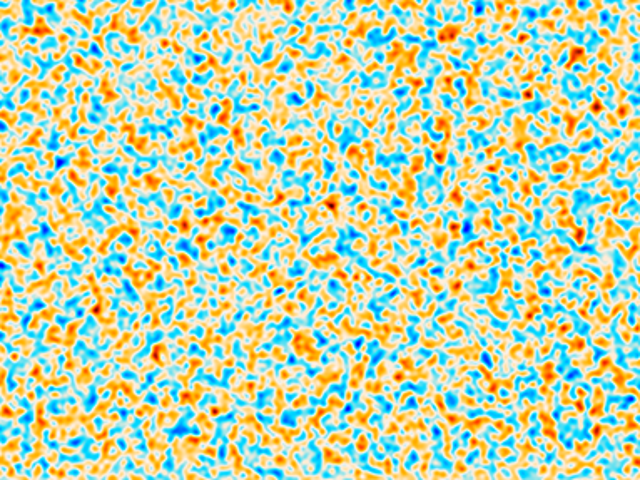
A portion of a new picture of the oldest light in the universe. The light, emitted 380,000 years after the Big Bang, varies in polarization (represented by redder or bluer colors). Astrophysicists used the spacing between these variations to calculate a new estimate for the universe’s age.
ACT COLLABORATION
"We are restoring the ‘baby photo’ of the universe to its original condition, eliminating the wear and tear of time and space that distorted the image,” explained Stony Brook astrophysicist Neelima Sehgal, a co-author on the papers.
“Only by seeing this sharper baby photo or image of the universe, can we more fully understand how our universe was born,” Sehgal said.
Comments
Post a Comment
Subscribe this Channel